Every Meal Counts: Fighting Hunger One Plate at a Time
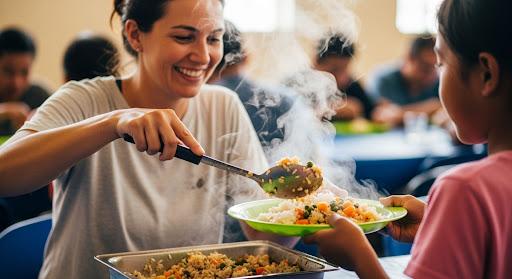
Hunger is more than just the absence of food—it’s the absence of opportunity, energy, and hope. In many communities we serve, children skip school because they’re too weak to walk the distance. Parents sacrifice their own meals so their children can eat, often surviving on just tea or water for the day.
At KindWave, we believe that food is not a privilege—it’s a fundamental human right. That’s why our meal distribution program works tirelessly to ensure no one in our community goes to bed hungry.
From Farm to Plate: How We Make It Happen
Our journey begins with sourcing fresh, local produce from trusted farmers and suppliers. We prioritize seasonal vegetables, whole grains, and protein-rich legumes to ensure each meal is both nutritious and affordable.
In our community kitchen, a team of dedicated cooks and volunteers works from dawn, preparing meals that meet not only calorie needs but also cultural tastes. For example, in some villages, we prepare lentils and rice; in others, chapati and vegetable curry.
The meals are then packed in eco-friendly containers and distributed through:
Community meal centers for large gatherings
Door-to-door delivery for elderly or disabled individuals
School lunch programs to ensure children can study with a full stomach
Stories That Inspire
Meet Anita, a 10-year-old girl who used to faint during class from hunger. Since joining our school lunch program, she hasn’t missed a single day of school. She says, “I like coming to school because I get to eat here and also learn.”
Then there’s Ramesh, a daily-wage worker who lost his job during the pandemic. Our community meal center became a lifeline for his family, allowing them to survive during those uncertain months.
These stories remind us that every plate of food we serve is a step toward a better future.
Beyond Just Food: Building Dignity and Hope
Hunger strips away dignity. Our program is not just about feeding—it’s about making people feel seen, cared for, and respected. We ensure meal distributions are organized, respectful, and free from stigma.
We also integrate nutrition awareness workshops with our food programs, teaching families how to prepare healthy meals on a budget, so the benefits extend beyond our kitchens.
How You Can Help
Our work is possible only through the generosity of donors and volunteers. Here’s how you can make a difference:
Donate: Just ₹50 can provide a wholesome meal for a child.
Volunteer: Help with cooking, packing, or delivering meals.
Spread the Word: Share our mission so more people can join the fight against hunger.
Closing Note
We believe that when we fight hunger, we fight for education, health, and hope. Every meal is more than food—it’s a promise that no one will be left behind.
If you’ve ever wondered whether one plate of food can change a life, the answer is simple: Yes, it can. And it does—every single day.


